Me, But As A Writer Navigating Lagos
Two short trips to Lagos did not teach me Nigeria. They did make years of working across African markets feel suddenly, vividly physical.
Insights
Aug 14, 2026

The first thing Lagos gives you is scale.
Not the PowerPoint kind. Actual scale.
The traffic stretches. The billboards tower. Generators hum behind buildings. Commerce seems to occupy every available surface. There are hawkers weaving between cars, glass towers and open drains, luxury SUVs crawling past extraordinary poverty. Somewhere, someone is selling data, food, beauty, banking, betting, property, God or a better version of your life.
The city is difficult to look at casually.
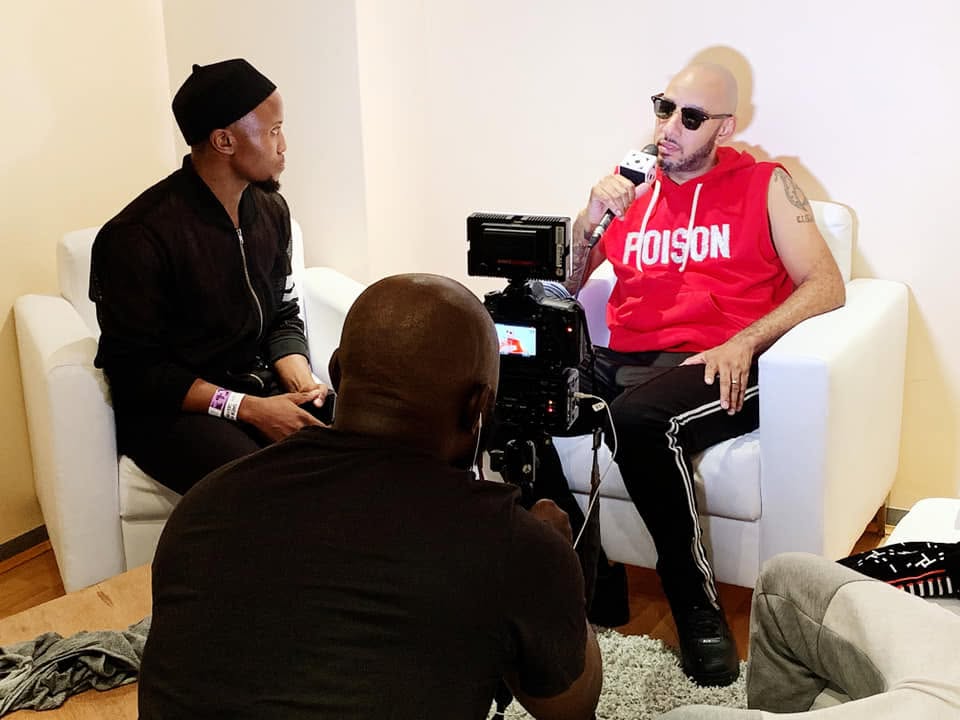
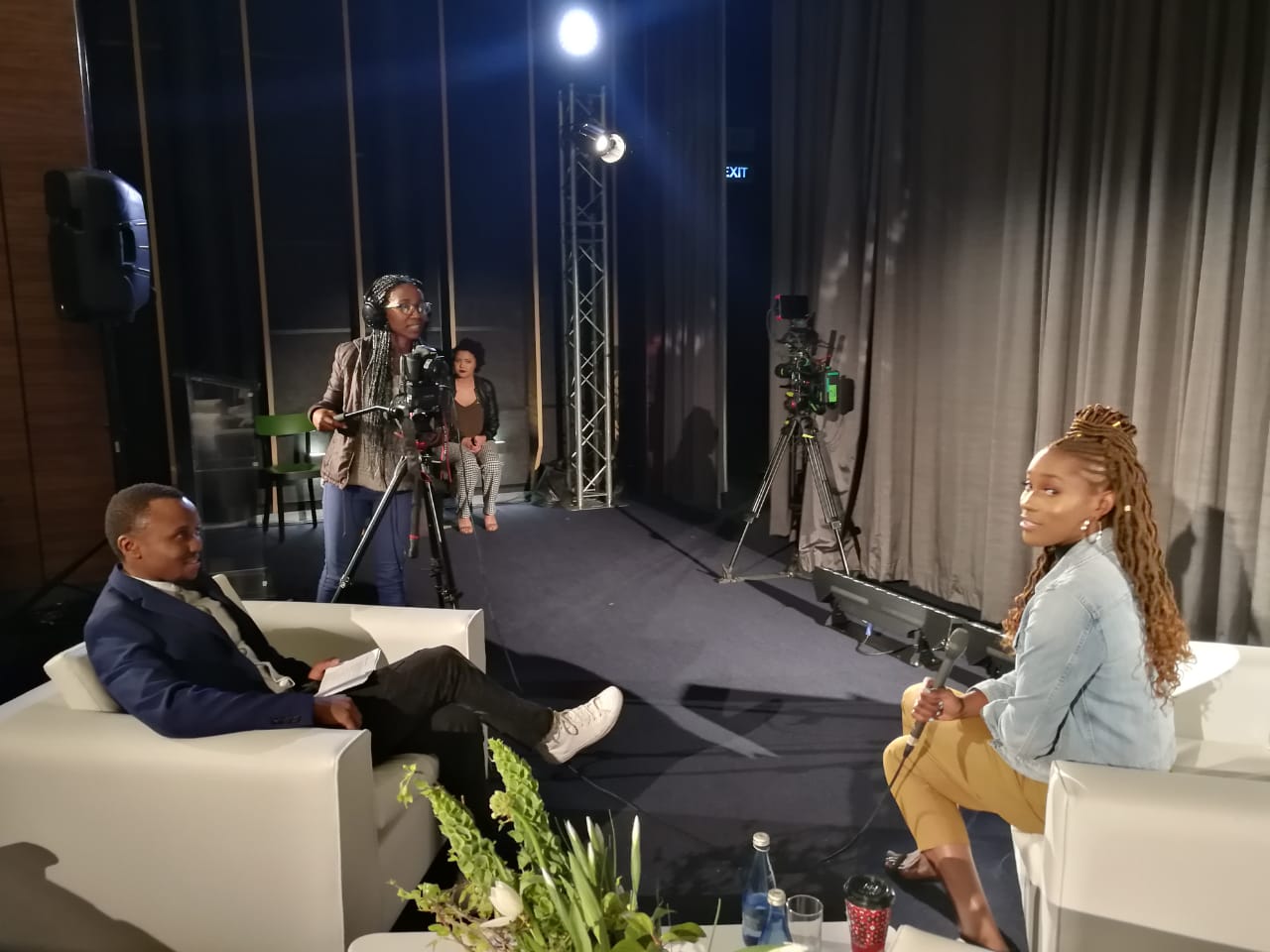
I first went to Nigeria last year. By then, I had already spent years working with Nigerian colleagues and audiences, and on properties deeply embedded in the country’s popular culture. Big Brother Naija. Idols Nigeria. The Africa Magic Viewers’ Choice Awards. Campaigns, live broadcasts, digital communities and commercial partnerships built across borders, often from Johannesburg.

I knew the work.
Lagos gave it texture.
Suddenly the audience was not a number moving across a dashboard or a voice arriving in a comment section. The brands on our sponsor decks were outside the car window. The aspirations they sold were everywhere. So were the contradictions.
I went back this May for the AMVCAs, travelling from Johannesburg through Ghana and then on to Nigeria. On paper, that sentence sounds wonderfully polished.
Regional experience. Pan-African exposure. Multi-market delivery.
Very impressive.
Then you actually move through the region and remember how much bullshit can fit inside three corporate phrases.
Africa does not become one audience because a campaign crosses several borders.
Someone in Lagos hears immediately when a line written in Johannesburg does not sound right. Someone in South Africa can spot the same problem travelling in the opposite direction. Sometimes the campaign idea survives and the language changes. Sometimes the language is fine and the idea itself is wrong.
The smartest thing you can do is let somebody tell you.
That matters even more once commerce enters the room.
Entertainment properties like Big Brother Naija are also enormous consumer ecosystems. Sponsors do not simply buy airtime. They enter tasks, parties, competitions, prizes, social content, live shows and conversations that millions of people are already invested in.
The logo is easy.
Belonging is harder.
A good integration understands why the audience is there in the first place. It knows when to speak, when to entertain, when to reward and when to get out of the way.
A bad one feels like a brand manager has climbed into the television.
Working across markets adds another layer. The commercial objective may be regional. The consumer never is.
That is why I have become wary of localisation as something done at the end of a campaign. Change the copy. Swap the artwork. Add another flag.
The local thinking should have started much earlier.
I have only spent short stretches in Lagos. I would never mistake that for knowing the city. If anything, being there made the limits of knowing more obvious.
But that has its own value.
Because after years of working with teams, audiences, brands and cultural properties across the continent, those trips gave physical form to something the work had already been teaching me.
Markets are not territories on a presentation.
They are places.
People live inside them with memory, humour, prejudice, aspiration, contradiction and taste. They recognise when you understand something about them. They recognise even faster when you do not.
Lagos is loud about that lesson.
Perhaps that is why, as a writer, I like it.
It makes abstraction difficult.
And once you have seen the distance between Johannesburg, Ghana and Nigeria from somewhere other than a campaign map, the phrase pan-African starts demanding a little more respect.
More to Discover
Me, But As A Writer Navigating Lagos
Two short trips to Lagos did not teach me Nigeria. They did make years of working across African markets feel suddenly, vividly physical.
Insights
Aug 14, 2026
The first thing Lagos gives you is scale.
Not the PowerPoint kind. Actual scale.
The traffic stretches. The billboards tower. Generators hum behind buildings. Commerce seems to occupy every available surface. There are hawkers weaving between cars, glass towers and open drains, luxury SUVs crawling past extraordinary poverty. Somewhere, someone is selling data, food, beauty, banking, betting, property, God or a better version of your life.
The city is difficult to look at casually.
I first went to Nigeria last year. By then, I had already spent years working with Nigerian colleagues and audiences, and on properties deeply embedded in the country’s popular culture. Big Brother Naija. Idols Nigeria. The Africa Magic Viewers’ Choice Awards. Campaigns, live broadcasts, digital communities and commercial partnerships built across borders, often from Johannesburg.
I knew the work.
Lagos gave it texture.
Suddenly the audience was not a number moving across a dashboard or a voice arriving in a comment section. The brands on our sponsor decks were outside the car window. The aspirations they sold were everywhere. So were the contradictions.
I went back this May for the AMVCAs, travelling from Johannesburg through Ghana and then on to Nigeria. On paper, that sentence sounds wonderfully polished.
Regional experience. Pan-African exposure. Multi-market delivery.
Very impressive.
Then you actually move through the region and remember how much bullshit can fit inside three corporate phrases.
Africa does not become one audience because a campaign crosses several borders.
Someone in Lagos hears immediately when a line written in Johannesburg does not sound right. Someone in South Africa can spot the same problem travelling in the opposite direction. Sometimes the campaign idea survives and the language changes. Sometimes the language is fine and the idea itself is wrong.
The smartest thing you can do is let somebody tell you.
That matters even more once commerce enters the room.
Entertainment properties like Big Brother Naija are also enormous consumer ecosystems. Sponsors do not simply buy airtime. They enter tasks, parties, competitions, prizes, social content, live shows and conversations that millions of people are already invested in.
The logo is easy.
Belonging is harder.
A good integration understands why the audience is there in the first place. It knows when to speak, when to entertain, when to reward and when to get out of the way.
A bad one feels like a brand manager has climbed into the television.
Working across markets adds another layer. The commercial objective may be regional. The consumer never is.
That is why I have become wary of localisation as something done at the end of a campaign. Change the copy. Swap the artwork. Add another flag.
The local thinking should have started much earlier.
I have only spent short stretches in Lagos. I would never mistake that for knowing the city. If anything, being there made the limits of knowing more obvious.
But that has its own value.
Because after years of working with teams, audiences, brands and cultural properties across the continent, those trips gave physical form to something the work had already been teaching me.
Markets are not territories on a presentation.
They are places.
People live inside them with memory, humour, prejudice, aspiration, contradiction and taste. They recognise when you understand something about them. They recognise even faster when you do not.
Lagos is loud about that lesson.
Perhaps that is why, as a writer, I like it.
It makes abstraction difficult.
And once you have seen the distance between Johannesburg, Ghana and Nigeria from somewhere other than a campaign map, the phrase pan-African starts demanding a little more respect.
More to Discover
Me, But As A Writer Navigating Lagos
Two short trips to Lagos did not teach me Nigeria. They did make years of working across African markets feel suddenly, vividly physical.
Insights
Aug 14, 2026
The first thing Lagos gives you is scale.
Not the PowerPoint kind. Actual scale.
The traffic stretches. The billboards tower. Generators hum behind buildings. Commerce seems to occupy every available surface. There are hawkers weaving between cars, glass towers and open drains, luxury SUVs crawling past extraordinary poverty. Somewhere, someone is selling data, food, beauty, banking, betting, property, God or a better version of your life.
The city is difficult to look at casually.
I first went to Nigeria last year. By then, I had already spent years working with Nigerian colleagues and audiences, and on properties deeply embedded in the country’s popular culture. Big Brother Naija. Idols Nigeria. The Africa Magic Viewers’ Choice Awards. Campaigns, live broadcasts, digital communities and commercial partnerships built across borders, often from Johannesburg.
I knew the work.
Lagos gave it texture.
Suddenly the audience was not a number moving across a dashboard or a voice arriving in a comment section. The brands on our sponsor decks were outside the car window. The aspirations they sold were everywhere. So were the contradictions.
I went back this May for the AMVCAs, travelling from Johannesburg through Ghana and then on to Nigeria. On paper, that sentence sounds wonderfully polished.
Regional experience. Pan-African exposure. Multi-market delivery.
Very impressive.
Then you actually move through the region and remember how much bullshit can fit inside three corporate phrases.
Africa does not become one audience because a campaign crosses several borders.
Someone in Lagos hears immediately when a line written in Johannesburg does not sound right. Someone in South Africa can spot the same problem travelling in the opposite direction. Sometimes the campaign idea survives and the language changes. Sometimes the language is fine and the idea itself is wrong.
The smartest thing you can do is let somebody tell you.
That matters even more once commerce enters the room.
Entertainment properties like Big Brother Naija are also enormous consumer ecosystems. Sponsors do not simply buy airtime. They enter tasks, parties, competitions, prizes, social content, live shows and conversations that millions of people are already invested in.
The logo is easy.
Belonging is harder.
A good integration understands why the audience is there in the first place. It knows when to speak, when to entertain, when to reward and when to get out of the way.
A bad one feels like a brand manager has climbed into the television.
Working across markets adds another layer. The commercial objective may be regional. The consumer never is.
That is why I have become wary of localisation as something done at the end of a campaign. Change the copy. Swap the artwork. Add another flag.
The local thinking should have started much earlier.
I have only spent short stretches in Lagos. I would never mistake that for knowing the city. If anything, being there made the limits of knowing more obvious.
But that has its own value.
Because after years of working with teams, audiences, brands and cultural properties across the continent, those trips gave physical form to something the work had already been teaching me.
Markets are not territories on a presentation.
They are places.
People live inside them with memory, humour, prejudice, aspiration, contradiction and taste. They recognise when you understand something about them. They recognise even faster when you do not.
Lagos is loud about that lesson.
Perhaps that is why, as a writer, I like it.
It makes abstraction difficult.
And once you have seen the distance between Johannesburg, Ghana and Nigeria from somewhere other than a campaign map, the phrase pan-African starts demanding a little more respect.