I DON’T WANT TO BE TOO SENIOR TO MAKE THINGS
The strange reward for getting good at creative work is that, eventually, someone tries to take the tools away from you.
Insights
Sep 14, 2026
There is a version of career progression in which success means moving steadily further from the work.
First, you write the copy. Then you approve the copy. Then somebody sends you a deck containing the copy.
Eventually, you are in a meeting discussing whether the team responsible for the copy has enough capacity to revisit the copy.
Congratulations. You have been promoted.
I understand why it happens. Seniority brings different responsibilities. Budgets, people, clients, strategy, difficult conversations, decisions that affect much more than one piece of work.
I have spent years doing those things. I just never developed the desire to stop making things.
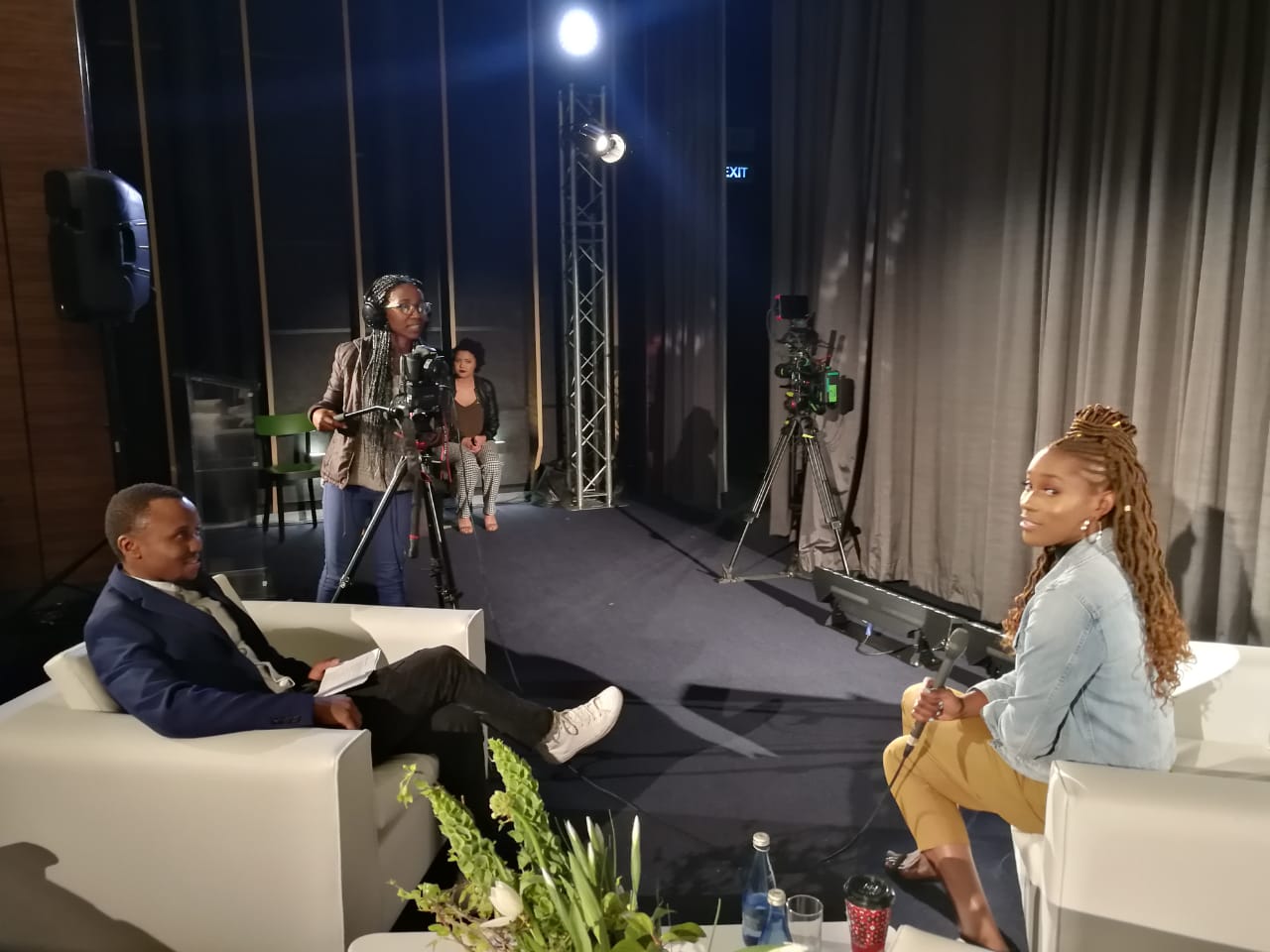
I still like opening Photoshop and figuring out why something does not look right. I like cutting video. Writing the line. Moving something three pixels and discovering, annoyingly, that it actually matters. I like testing a new tool until I understand what it can do rather than simply reading a slide about it.
At the heart of successful UI/UX design is a deep understanding of the user. User-centricity means placing the needs, preferences, and behaviors of actual users at the centre of every design decision.
This approach begins with thorough research to uncover user pain points and motivations, followed by continuous testing and iteration to refine solutions. By focusing on the user’s journey and expectations, designers create experiences that feel relevant, personal, and satisfying.

That does not mean I want to do everybody else's job.
It means I want to remain close enough to the material of the work to understand it.
Because distance does strange things to judgement.
A deadline looks perfectly reasonable when you have forgotten how long the work takes.
A brief looks wonderfully clear when you are not the person trying to make something from it.
Feedback like “make it pop” becomes much easier to give when you no longer have to answer the obvious follow-up question: how?
The leaders I value most have never needed to be the best practitioner in the room. They do, however, understand what they are asking the room to do.
That changes how you lead. You brief differently. You know when a problem needs more thinking and when it simply needs somebody to make a decision.
You recognise when the team needs another day and when another day will produce exactly the same answer.
You can tell the difference between a craft problem, a strategy problem and an approval problem.
Most importantly, you can have a conversation about the work itself. Not just the process around it.
Digital makes this even more important.
The tools refuse to stay still.
Platforms change. Editing changes. Distribution changes. AI has compressed parts of production that used to take hours into minutes. Entire workflows appear, mature and become obsolete while somebody is still preparing the organisational transformation deck.
You do not need to chase every new piece of software. But I think there is danger in becoming so senior that curiosity gets delegated too.
Consistency is a cornerstone of effective UI/UX design. When visual elements, navigation patterns, and interactions remain uniform across a product, users can quickly learn how to use it without confusion.
Simplicity further enhances usability by stripping away unnecessary complexity and presenting information in a clear, straightforward manner. Together, these principles make digital products more approachable and reduce cognitive load, allowing users to achieve their goals with ease.

I use AI because I wanted to understand what it changes when you actually put it inside the work. The interesting discoveries did not come from somebody explaining “the future of creativity” to me.
They came from making things.
Learning where it accelerates me. Where it produces rubbish. Where it expands an idea. Where it quietly flattens one. Where the fastest option is useful and where the slower, human one is simply better.
That knowledge changes the strategic conversation because it came from contact rather than theory.
And perhaps that is the larger point. Making keeps strategy honest.
The closer you stay to execution, the harder it becomes to hide behind language that sounds impressive but cannot survive contact with the actual job.
A well-structured visual hierarchy is crucial for guiding users through content and features. By manipulating size, color, spacing, and contrast, designers can emphasize the most important elements and create a logical flow of information.
Clarity ensures that every interface component communicates its purpose effectively, minimizing ambiguity and helping users make decisions confidently. This combination of hierarchy and clarity leads to interfaces that are both attractive and functional.
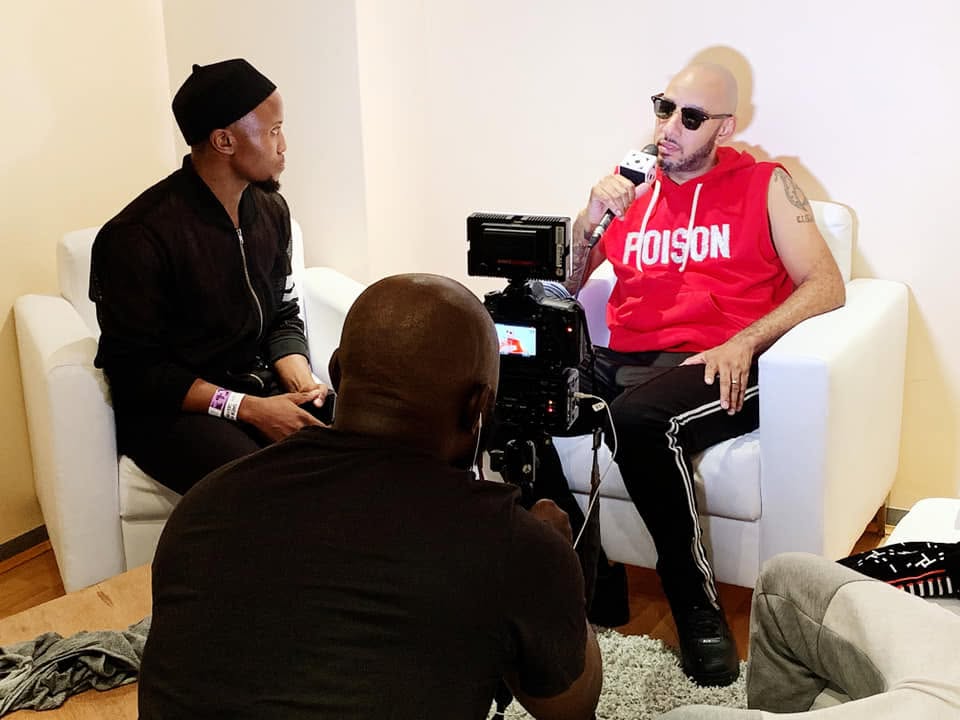

You discover very quickly whether the “content ecosystem” has enough people to run it.
Whether the “agile workflow” is actually agile.
Whether the “bold creative platform” can produce a second idea after the launch film.
Whether the thing you approved looks good outside the presentation.
After more than a decade in this work, I want the wider view. I want responsibility. I want to build teams, shape strategy, solve bigger problems and make decisions with more consequence.
But I do not want seniority to become a viewing platform from which I observe other people making things.
I still want my hands somewhere near the work.
Not because I need to prove that I can do it.
Because I think staying close to how things are made makes me better at deciding what should be made in the first place.

More to Discover

I DON’T WANT TO BE TOO SENIOR TO MAKE THINGS
The strange reward for getting good at creative work is that, eventually, someone tries to take the tools away from you.
Insights
Sep 14, 2026
There is a version of career progression in which success means moving steadily further from the work.
First, you write the copy. Then you approve the copy. Then somebody sends you a deck containing the copy.
Eventually, you are in a meeting discussing whether the team responsible for the copy has enough capacity to revisit the copy.
Congratulations. You have been promoted.
I understand why it happens. Seniority brings different responsibilities. Budgets, people, clients, strategy, difficult conversations, decisions that affect much more than one piece of work.
I have spent years doing those things. I just never developed the desire to stop making things.
I still like opening Photoshop and figuring out why something does not look right. I like cutting video. Writing the line. Moving something three pixels and discovering, annoyingly, that it actually matters. I like testing a new tool until I understand what it can do rather than simply reading a slide about it.
At the heart of successful UI/UX design is a deep understanding of the user. User-centricity means placing the needs, preferences, and behaviors of actual users at the centre of every design decision.
This approach begins with thorough research to uncover user pain points and motivations, followed by continuous testing and iteration to refine solutions. By focusing on the user’s journey and expectations, designers create experiences that feel relevant, personal, and satisfying.
That does not mean I want to do everybody else's job.
It means I want to remain close enough to the material of the work to understand it.
Because distance does strange things to judgement.
A deadline looks perfectly reasonable when you have forgotten how long the work takes.
A brief looks wonderfully clear when you are not the person trying to make something from it.
Feedback like “make it pop” becomes much easier to give when you no longer have to answer the obvious follow-up question: how?
The leaders I value most have never needed to be the best practitioner in the room. They do, however, understand what they are asking the room to do.
That changes how you lead. You brief differently. You know when a problem needs more thinking and when it simply needs somebody to make a decision.
You recognise when the team needs another day and when another day will produce exactly the same answer.
You can tell the difference between a craft problem, a strategy problem and an approval problem.
Most importantly, you can have a conversation about the work itself. Not just the process around it.
Digital makes this even more important.
The tools refuse to stay still.
Platforms change. Editing changes. Distribution changes. AI has compressed parts of production that used to take hours into minutes. Entire workflows appear, mature and become obsolete while somebody is still preparing the organisational transformation deck.
You do not need to chase every new piece of software. But I think there is danger in becoming so senior that curiosity gets delegated too.
Consistency is a cornerstone of effective UI/UX design. When visual elements, navigation patterns, and interactions remain uniform across a product, users can quickly learn how to use it without confusion.
Simplicity further enhances usability by stripping away unnecessary complexity and presenting information in a clear, straightforward manner. Together, these principles make digital products more approachable and reduce cognitive load, allowing users to achieve their goals with ease.
I use AI because I wanted to understand what it changes when you actually put it inside the work. The interesting discoveries did not come from somebody explaining “the future of creativity” to me.
They came from making things.
Learning where it accelerates me. Where it produces rubbish. Where it expands an idea. Where it quietly flattens one. Where the fastest option is useful and where the slower, human one is simply better.
That knowledge changes the strategic conversation because it came from contact rather than theory.
And perhaps that is the larger point. Making keeps strategy honest.
The closer you stay to execution, the harder it becomes to hide behind language that sounds impressive but cannot survive contact with the actual job.
A well-structured visual hierarchy is crucial for guiding users through content and features. By manipulating size, color, spacing, and contrast, designers can emphasize the most important elements and create a logical flow of information.
Clarity ensures that every interface component communicates its purpose effectively, minimizing ambiguity and helping users make decisions confidently. This combination of hierarchy and clarity leads to interfaces that are both attractive and functional.
You discover very quickly whether the “content ecosystem” has enough people to run it.
Whether the “agile workflow” is actually agile.
Whether the “bold creative platform” can produce a second idea after the launch film.
Whether the thing you approved looks good outside the presentation.
After more than a decade in this work, I want the wider view. I want responsibility. I want to build teams, shape strategy, solve bigger problems and make decisions with more consequence.
But I do not want seniority to become a viewing platform from which I observe other people making things.
I still want my hands somewhere near the work.
Not because I need to prove that I can do it.
Because I think staying close to how things are made makes me better at deciding what should be made in the first place.
More to Discover
I DON’T WANT TO BE TOO SENIOR TO MAKE THINGS
The strange reward for getting good at creative work is that, eventually, someone tries to take the tools away from you.
Insights
Sep 14, 2026
There is a version of career progression in which success means moving steadily further from the work.
First, you write the copy. Then you approve the copy. Then somebody sends you a deck containing the copy.
Eventually, you are in a meeting discussing whether the team responsible for the copy has enough capacity to revisit the copy.
Congratulations. You have been promoted.
I understand why it happens. Seniority brings different responsibilities. Budgets, people, clients, strategy, difficult conversations, decisions that affect much more than one piece of work.
I have spent years doing those things. I just never developed the desire to stop making things.
I still like opening Photoshop and figuring out why something does not look right. I like cutting video. Writing the line. Moving something three pixels and discovering, annoyingly, that it actually matters. I like testing a new tool until I understand what it can do rather than simply reading a slide about it.
At the heart of successful UI/UX design is a deep understanding of the user. User-centricity means placing the needs, preferences, and behaviors of actual users at the centre of every design decision.
This approach begins with thorough research to uncover user pain points and motivations, followed by continuous testing and iteration to refine solutions. By focusing on the user’s journey and expectations, designers create experiences that feel relevant, personal, and satisfying.
That does not mean I want to do everybody else's job.
It means I want to remain close enough to the material of the work to understand it.
Because distance does strange things to judgement.
A deadline looks perfectly reasonable when you have forgotten how long the work takes.
A brief looks wonderfully clear when you are not the person trying to make something from it.
Feedback like “make it pop” becomes much easier to give when you no longer have to answer the obvious follow-up question: how?
The leaders I value most have never needed to be the best practitioner in the room. They do, however, understand what they are asking the room to do.
That changes how you lead. You brief differently. You know when a problem needs more thinking and when it simply needs somebody to make a decision.
You recognise when the team needs another day and when another day will produce exactly the same answer.
You can tell the difference between a craft problem, a strategy problem and an approval problem.
Most importantly, you can have a conversation about the work itself. Not just the process around it.
Digital makes this even more important.
The tools refuse to stay still.
Platforms change. Editing changes. Distribution changes. AI has compressed parts of production that used to take hours into minutes. Entire workflows appear, mature and become obsolete while somebody is still preparing the organisational transformation deck.
You do not need to chase every new piece of software. But I think there is danger in becoming so senior that curiosity gets delegated too.
Consistency is a cornerstone of effective UI/UX design. When visual elements, navigation patterns, and interactions remain uniform across a product, users can quickly learn how to use it without confusion.
Simplicity further enhances usability by stripping away unnecessary complexity and presenting information in a clear, straightforward manner. Together, these principles make digital products more approachable and reduce cognitive load, allowing users to achieve their goals with ease.
I use AI because I wanted to understand what it changes when you actually put it inside the work. The interesting discoveries did not come from somebody explaining “the future of creativity” to me.
They came from making things.
Learning where it accelerates me. Where it produces rubbish. Where it expands an idea. Where it quietly flattens one. Where the fastest option is useful and where the slower, human one is simply better.
That knowledge changes the strategic conversation because it came from contact rather than theory.
And perhaps that is the larger point. Making keeps strategy honest.
The closer you stay to execution, the harder it becomes to hide behind language that sounds impressive but cannot survive contact with the actual job.
A well-structured visual hierarchy is crucial for guiding users through content and features. By manipulating size, color, spacing, and contrast, designers can emphasize the most important elements and create a logical flow of information.
Clarity ensures that every interface component communicates its purpose effectively, minimizing ambiguity and helping users make decisions confidently. This combination of hierarchy and clarity leads to interfaces that are both attractive and functional.
You discover very quickly whether the “content ecosystem” has enough people to run it.
Whether the “agile workflow” is actually agile.
Whether the “bold creative platform” can produce a second idea after the launch film.
Whether the thing you approved looks good outside the presentation.
After more than a decade in this work, I want the wider view. I want responsibility. I want to build teams, shape strategy, solve bigger problems and make decisions with more consequence.
But I do not want seniority to become a viewing platform from which I observe other people making things.
I still want my hands somewhere near the work.
Not because I need to prove that I can do it.
Because I think staying close to how things are made makes me better at deciding what should be made in the first place.